eBooks
100 Books foundWelcome to the RVIZI Public Domain Literature Library
This catalogue offers access to 100 public-domain science fiction texts, drawn from Project Gutenberg and presented with editorial notes that explore narrative technique, thematic patterns, and historical context. Each record includes title, author, keywords, and a catalogue note that highlights how the work's language and structure shape its effect.
Browsing the Catalogue
Readers may browse the full list at /ebooks or navigate by category. Four curated guides group works by shared themes: speculative futures, machines and inventions, space voyages, and social speculation. Each guide recommends three works and explains why they belong together.
Every book page includes a title, author(s), keywords, and a catalogue note. Keywords from Project Gutenberg indicate subjects; catalogue notes are editorial observations on style and structure.
Source Attribution
All texts originate from Project Gutenberg, a digital library of public-domain works. Bibliographic records preserve original metadata, including translator and illustrator credits where applicable. No texts have been altered except for formatting.
Three Reading Paths
Path One: Early Space Opera – Begin with Edmond Hamilton's Evans of the Earth-Guard (1930), follow with Roy Rockwood's Lost on the Moon (1911), and finish with Edgar Rice Burroughs' Pellucidar (1915) for a sweep of early speculative adventure.
Path Two: Technological Anxiety – Start with Richard Stallman's The Right to Read (1997), then George O. Smith's Problem in Solid (1947), and end with Noel Loomis's Parking, Unlimited (1950) to trace concerns about invention and control.
Path Three: Alien Encounter – Read Murray Leinster's Operation Terror (1950s), then Algis Budrys' Firegod (1950s), and finish with Frank Herbert's Try to Remember! (1961) for varied takes on first contact.
Categories as Navigation Aids
The four categories are not rigid literary judgments but practical groupings. A work may touch on multiple themes; the category suggests a primary emphasis. Readers are encouraged to cross-reference and explore.
Practical Notes
All texts are in English and freely downloadable. The catalogue is maintained by the catalogue project. For questions, visit /contact-us.
Bibliographic dates and catalogue measurements
The catalogue distinguishes the Project Gutenberg digital release from a work’s original or first publication. Project Gutenberg is identified as the digital source for the edition available here; its release year is therefore shown as Gutenberg Release Year, not as the work’s original publication year.
When an explicit first-publication or issue date can be supported directly by the title or issue information, it may be shown separately as First Publication Year. When that date cannot be confirmed, the catalogue displays Not confirmed rather than guessing a year.
Where the source text can be measured reliably, the catalogue may provide word count and estimated reading time. These measurements describe reading scope and are not quality rankings.
The current catalogue contains 4 active subject categories: Space Future, Machines Invention, Other Worlds, and Social Speculation. Categories are browsing aids and may overlap where a work reasonably fits more than one subject.
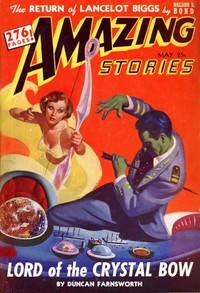
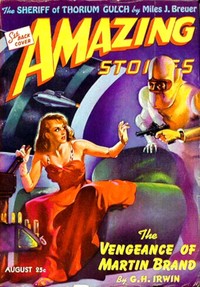
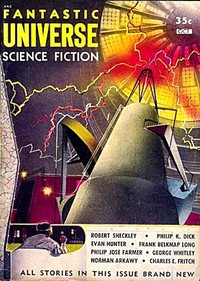
- Featured
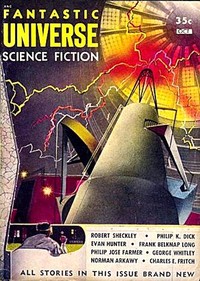
- Featured